


Posted on May 29, 2026
With over two decades of experience in primary education, one truth has remained constant: genuine appreciation has the power to transform learning. Whether a child is a high achiever or one who needs extra support, feeling valued and noticed can create wonders—not only in academic growth, but also in confidence, motivation, and joy for learning.
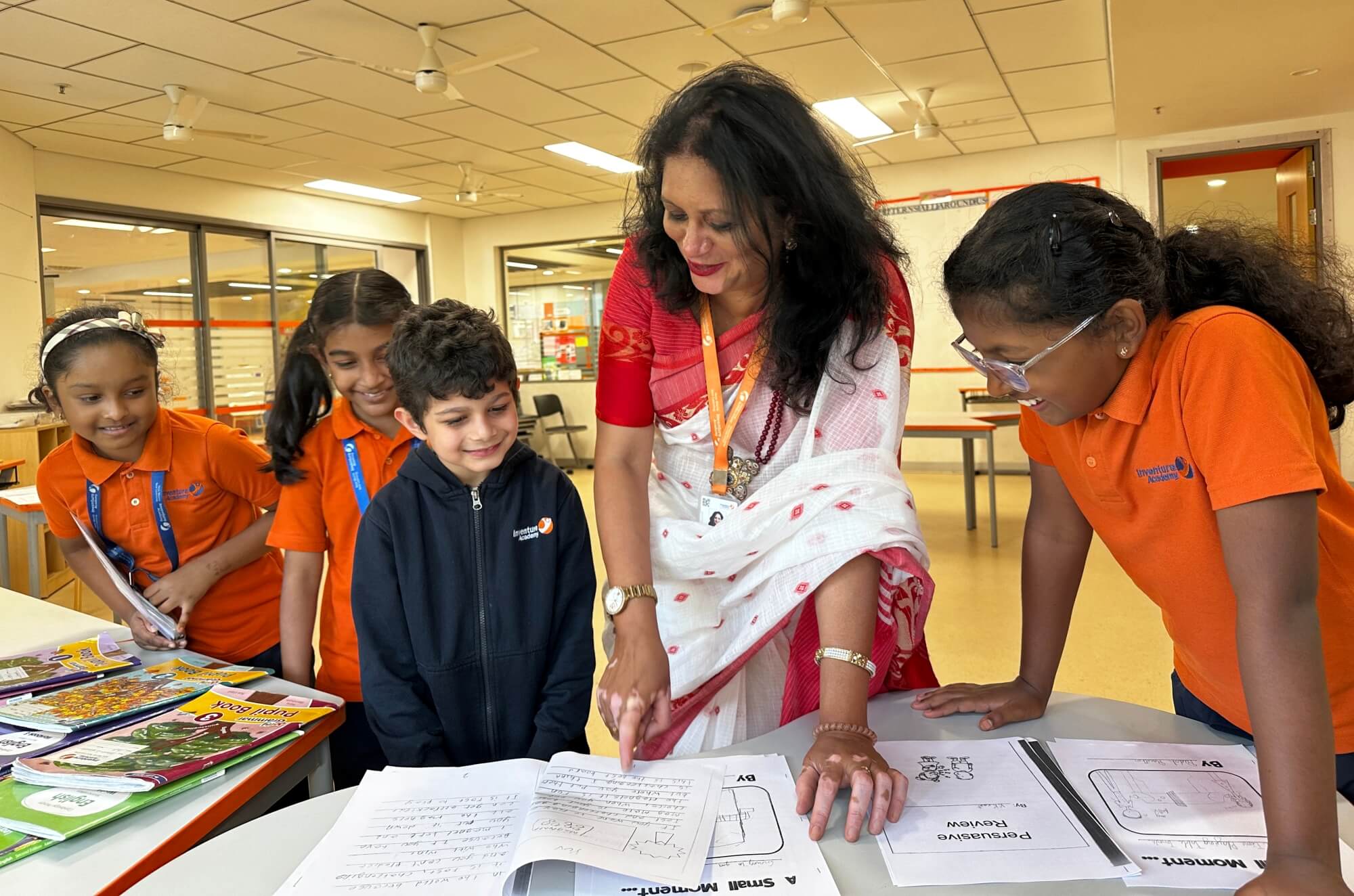
Often, the smallest moments make the biggest difference. A quiet word of encouragement, a smile of recognition, or a teacher noticing effort rather than correctness can shift a child’s entire outlook. When children feel genuinely appreciated, they begin to believe in themselves. They sit a little taller, try a little harder, and take risks they once avoided. Appreciation tells them, “You matter, and your effort is important.”
Focusing only on results can unintentionally teach children that success means being perfect and that mistakes mean failure. However, when we appreciate effort, curiosity, and growth, children learn that learning is a journey. They develop resilience, persistence, and a positive attitude toward challenges. Celebrating progress, no matter how small, helps all learners feel capable and confident.
When appreciation becomes part of everyday classroom practice, it naturally creates a culture of kindness, respect, and joy. Children begin to mirror what they experience. They encourage one another, show empathy, and celebrate differences. Appreciation fosters a safe environment where children feel comfortable expressing themselves and engaging deeply with learning.
Mindful appreciation is not about constant praise, but about meaningful noticing. It is specific, timely, and sincere. Acknowledging perseverance, curiosity, kindness, or improvement in everyday moments helps children feel valued beyond academic achievement. These small, intentional actions build strong emotional connections and trust.
Children learn appreciation by watching the adults around them. When educators value learning, speak positively about effort, embrace mistakes, and show gratitude toward colleagues and students, children learn to do the same. A culture of appreciation among educators strengthens the entire school community.
Appreciation is more than encouragement. It is a powerful tool that shapes confident learners and compassionate individuals. When children feel appreciated, learning becomes meaningful, joyful, and full of possibility. As educators, our words and actions have the power to nurture not only minds, but hearts.
– Humera Nooreen