


Posted on May 28, 2026
“Curiosity is the engine of achievement.” — Ken Robinson
As a learner, I have always been driven by curiosity—wondering how volcanoes erupt, why they occur in certain places, how the water cycle works, or what causes ocean waves. Questions like these made learning meaningful and exciting for me. Today, as a Geography teacher, I strive to create that same sense of wonder in my classroom.
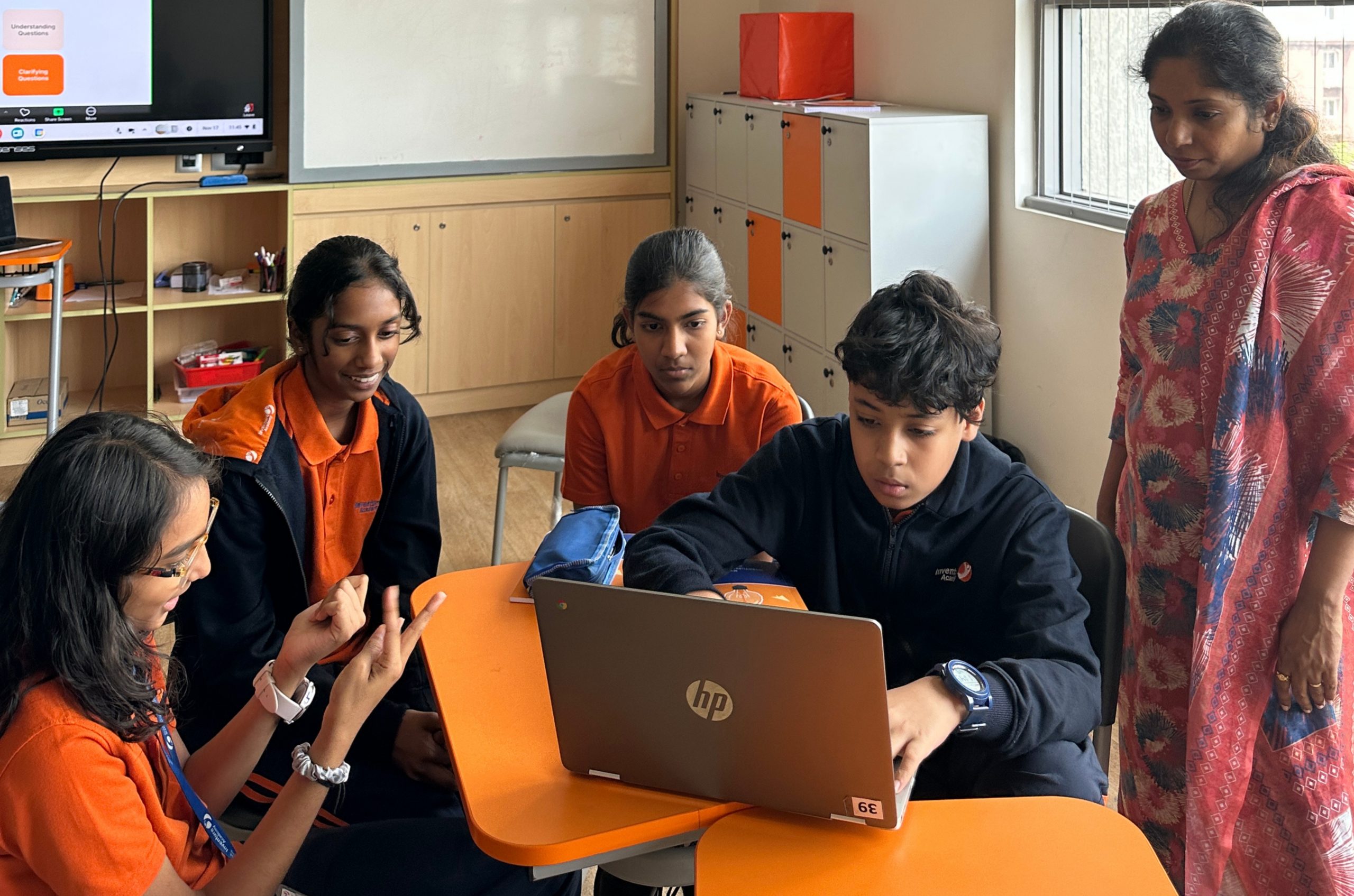
A typical day in my Geography class is filled with curiosity, questions, and discovery. Students are constantly exploring why and how geographical phenomena occur. For instance, while studying China, we approached the topic through inquiry, beginning with its location and physical features, and then moving towards deeper questions such as how geography influences climate and why urbanisation is concentrated in certain regions of western China through learning stations. Similarly, while exploring world biomes, I take on the role of a facilitator, guiding students through questions and discussions rather than direct instruction.
Inquiry-based learning brings about a visible shift in students. When they are guided instead of simply taught, they begin to take ownership of their learning. During our unit on plate tectonics, students worked in groups to research volcanic eruptions in Mount Etna, Haiti, and Indonesia. What began as guided research quickly turned into deep exploration, with students going beyond the given questions out of sheer curiosity. When presenting, they spoke with confidence almost like reporters on the ground. Watching this transformation in confidence and engagement is truly rewarding.
In an inquiry-based classroom, the teacher’s role is to strike a balance between guidance and independence. It is important to scaffold learning without overwhelming students, while still maintaining their interest. I usually begin with a brainstorming session to gauge prior knowledge, and then design guided questions that help deepen their understanding. Regular interaction with students during this process allows me to support them individually and ensure meaningful learning.
What I value most about the Inventure way of learning is the freedom it gives educators to explore and experiment with their teaching approaches. Continuous and timely feedback encourages reflection and helps me stay focused on what truly matters—student-centred learning.
One particularly memorable moment was during a lesson on marine oil pollution. A student asked, “How do we actually remove oil spills from the ocean?” This question led us to the lab, where we conducted a hands-on demonstration of oil spill cleanup methods such as booms, skimmers, absorbents, and surfactants. The excitement and engagement in that moment were incredible. Students not only observed but actively participated and recorded their findings.
This experience reinforced the true power of inquiry—when a single question can transform a lesson into an immersive and meaningful learning experience.